
Article written by: Maja Dolovčak, Pharm. M., owner of Pipo
Have you noticed yellowish flakes on your baby’s head and are wondering how to remove them without irritating their delicate skin?
Still, I understand that as a parent, you want to find a way to gently care for your baby’s scalp and help the flakes gradually disappear.
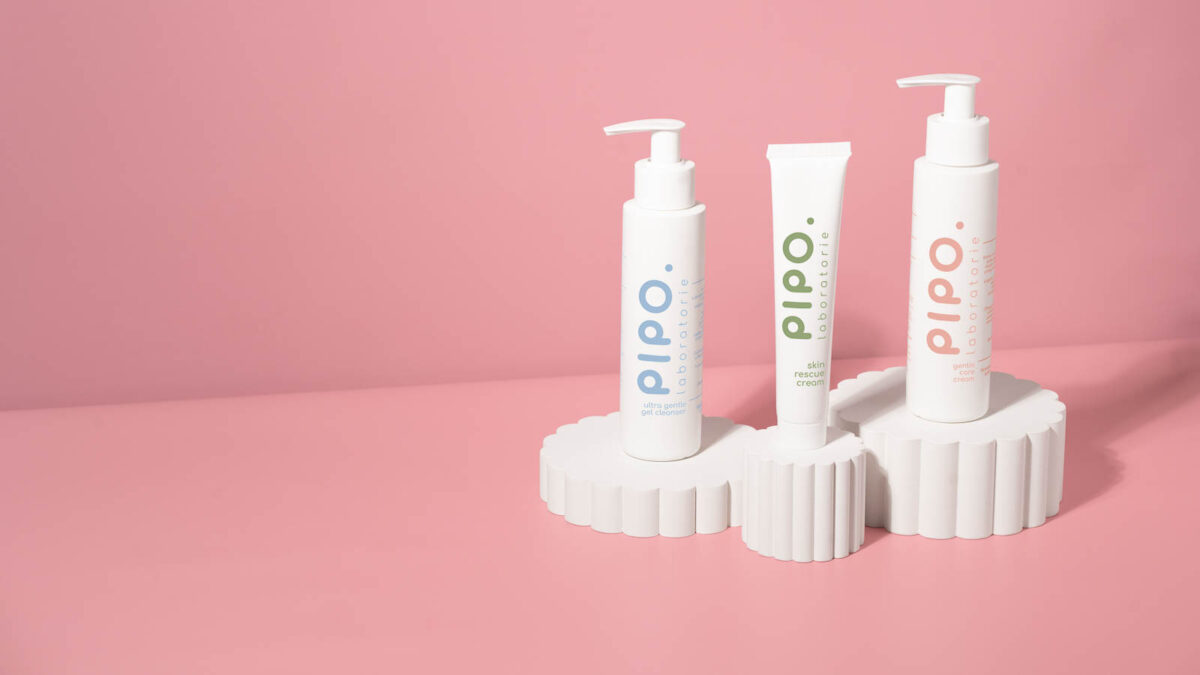
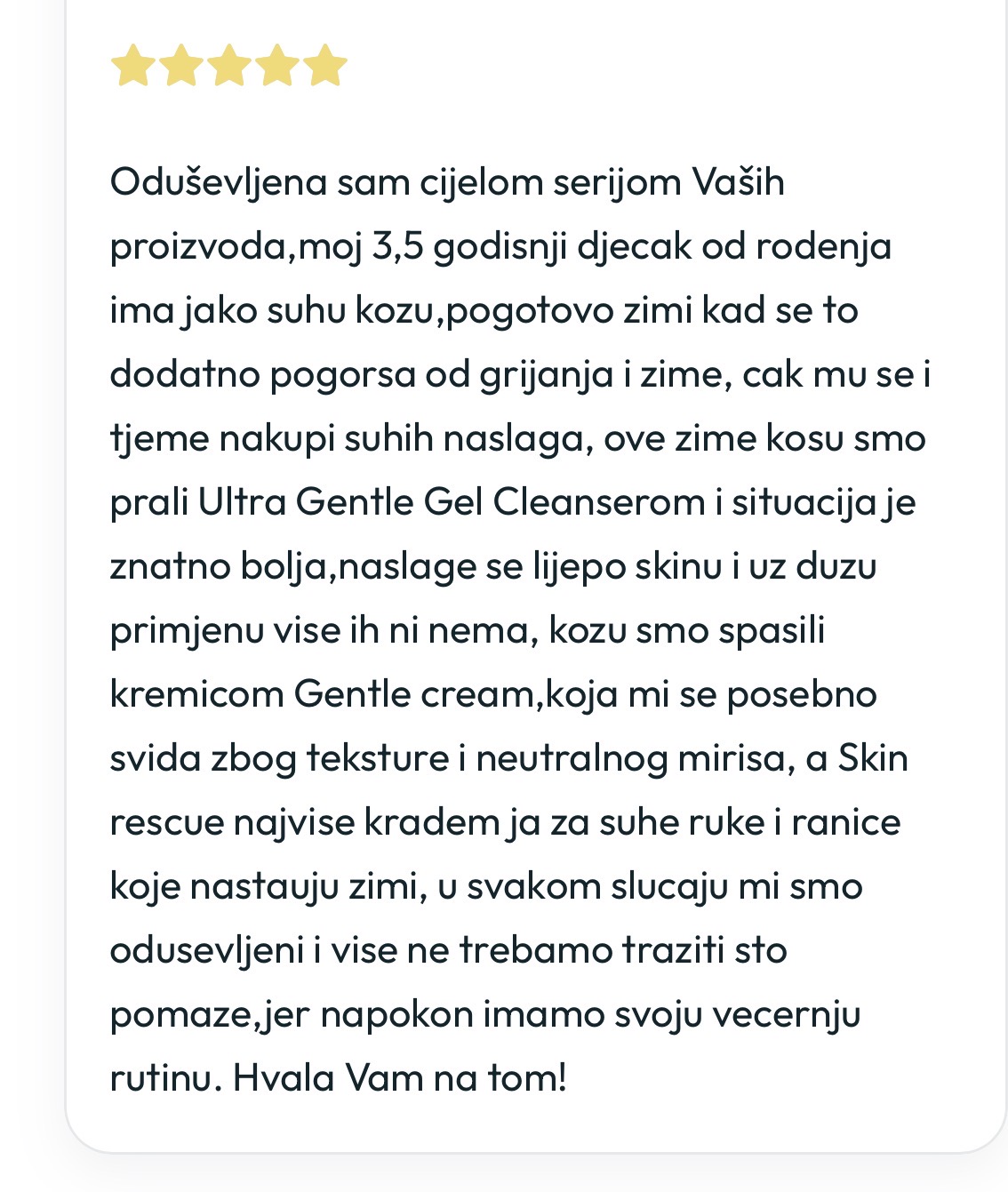
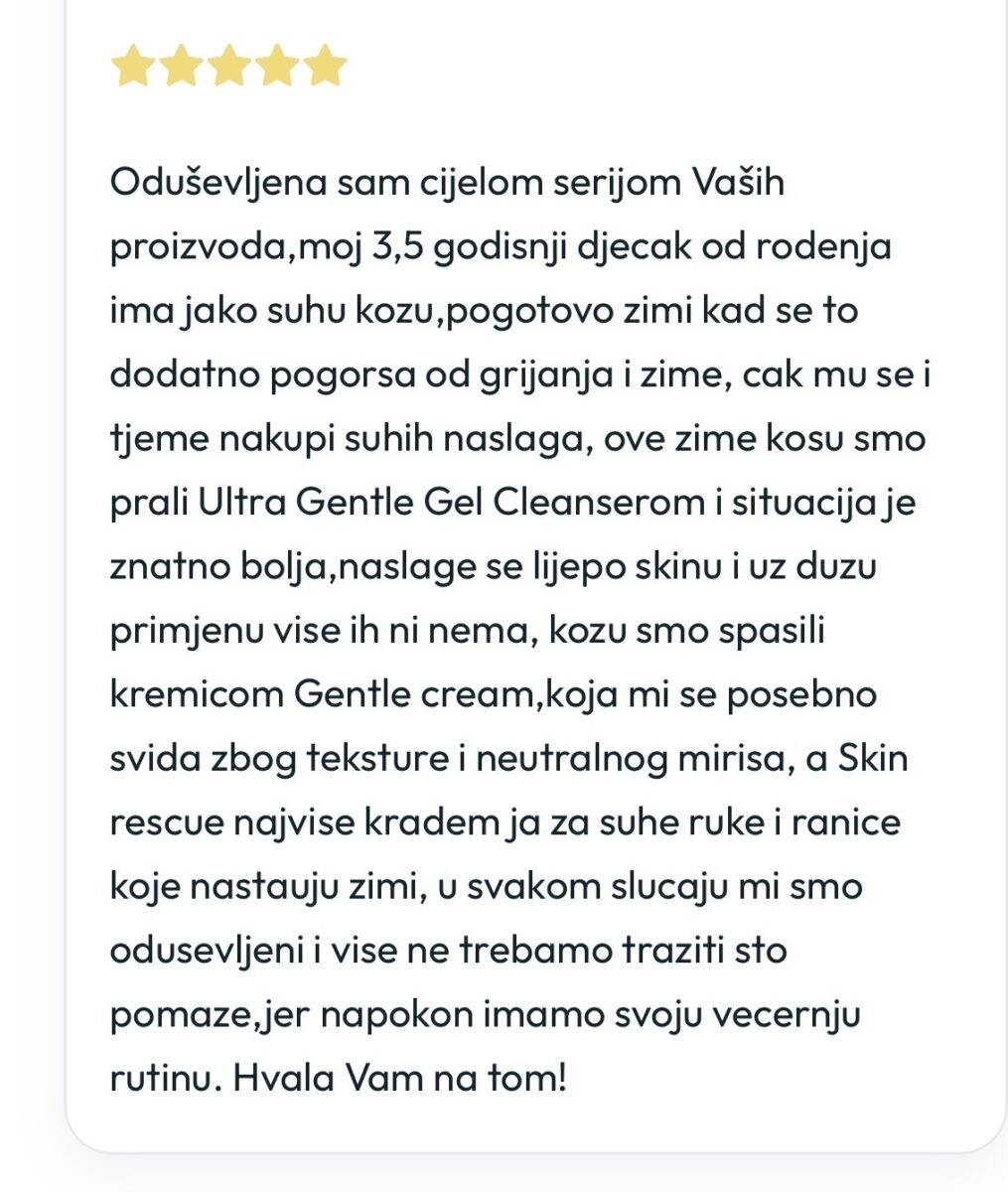
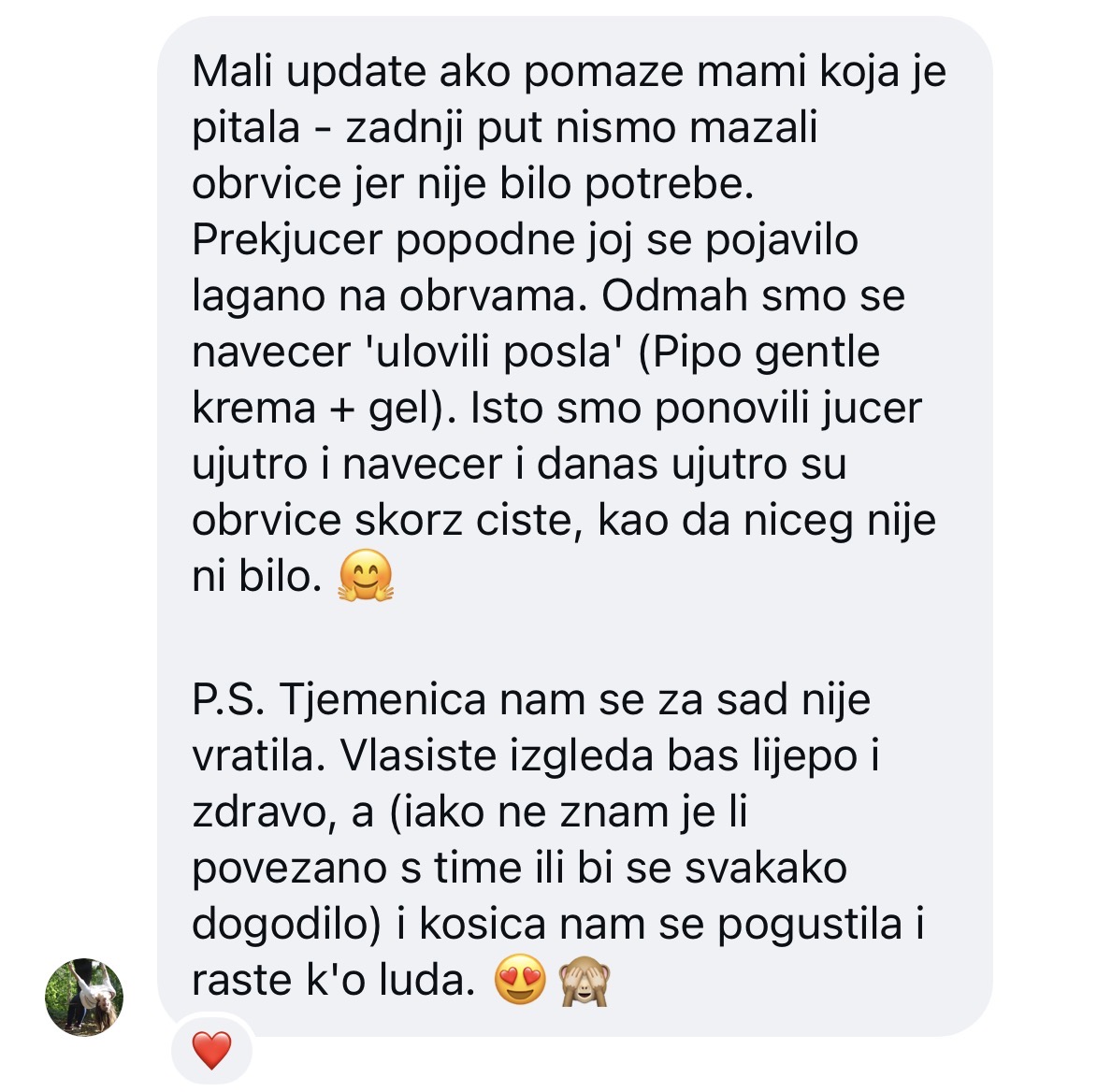
At Pipo Laboratorie, we’re increasingly receiving messages from moms sharing their experiences with cradle cap and how Pipo care has helped them.
I’ve been through this myself with my own children, so today I’m sharing a few simple tips that can help you care for your baby’s scalp.









What is cradle cap and why does it occur in babies?
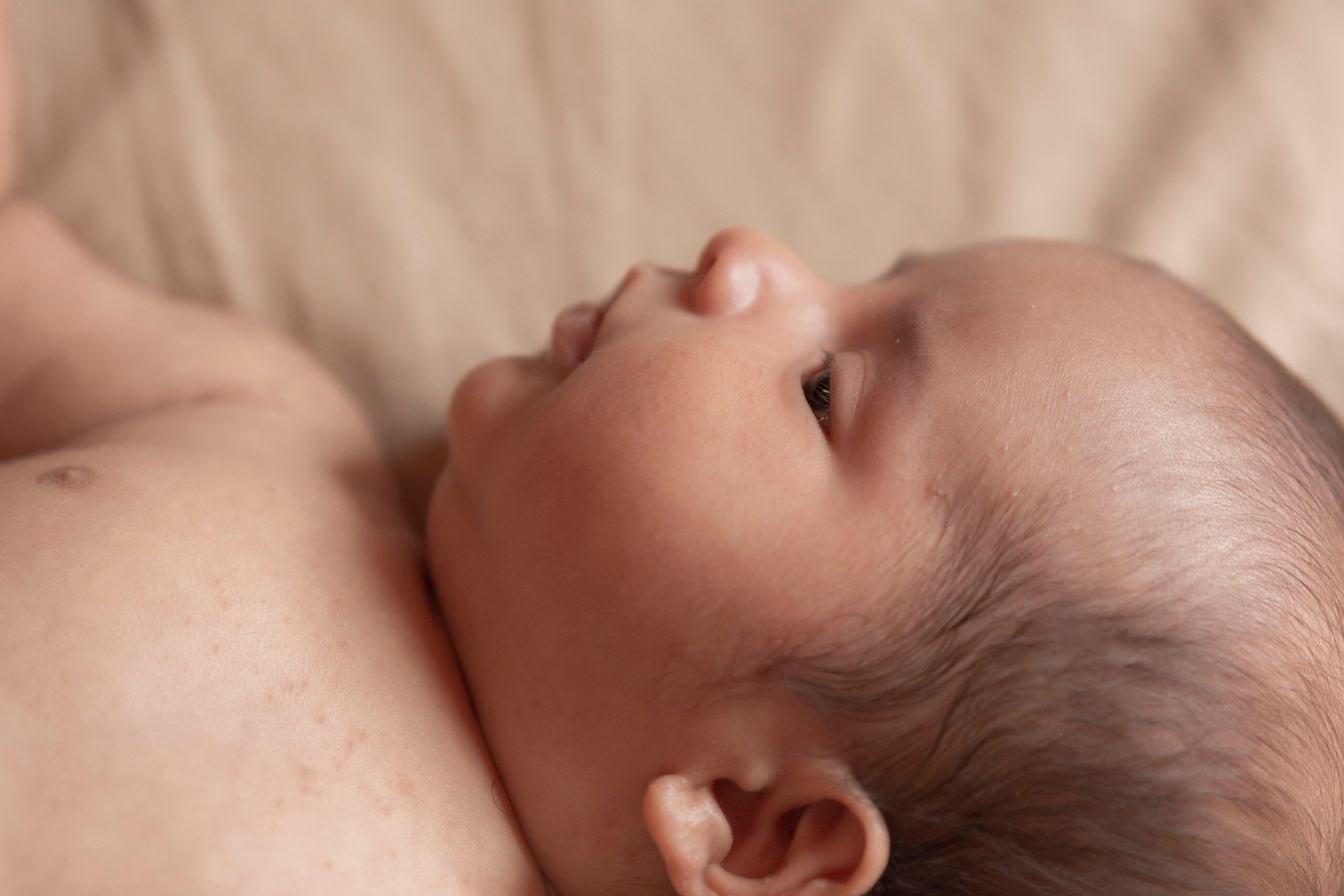
Cradle cap, also known as infantile seborrheic dermatitis, is a common occurrence on babies’ skin, most often during the first three months of life. You’ll recognize it by the oily, yellowish, or white scales that form on the scalp and can look like a thick layer of dandruff.
Although it most commonly appears on the scalp, it can also occur on the eyebrows, forehead, behind the ears, and on other parts of the skin.
Why does it happen?
The exact cause is not yet fully understood, but it is believed that increased secretion of sebum (the skin’s natural oil) and microorganisms that naturally live on our skin play an important role.
During pregnancy, the baby is exposed to maternal hormones that can stimulate the sebaceous glands. When the skin produces more sebum, dead skin cells can get trapped on the surface and create the characteristic scales.
The fungus Malassezia, which is otherwise a natural inhabitant of our skin, can also play a part in the development of cradle cap.
It’s important to know that cradle cap is not a result of poor hygiene, it’s not contagious, and it doesn’t mean you’re doing anything wrong in caring for your baby.
How to gently remove cradle cap from your baby?
When cradle cap appears, the most important thing is to be gentle and patient.
There’s no need for aggressive cleaning, scraping, or trying to remove all the flakes at once. The goal is to gradually soften the deposits, facilitate their removal, and protect the baby’s sensitive skin.
Our Pipo 3-step gentle care ritual
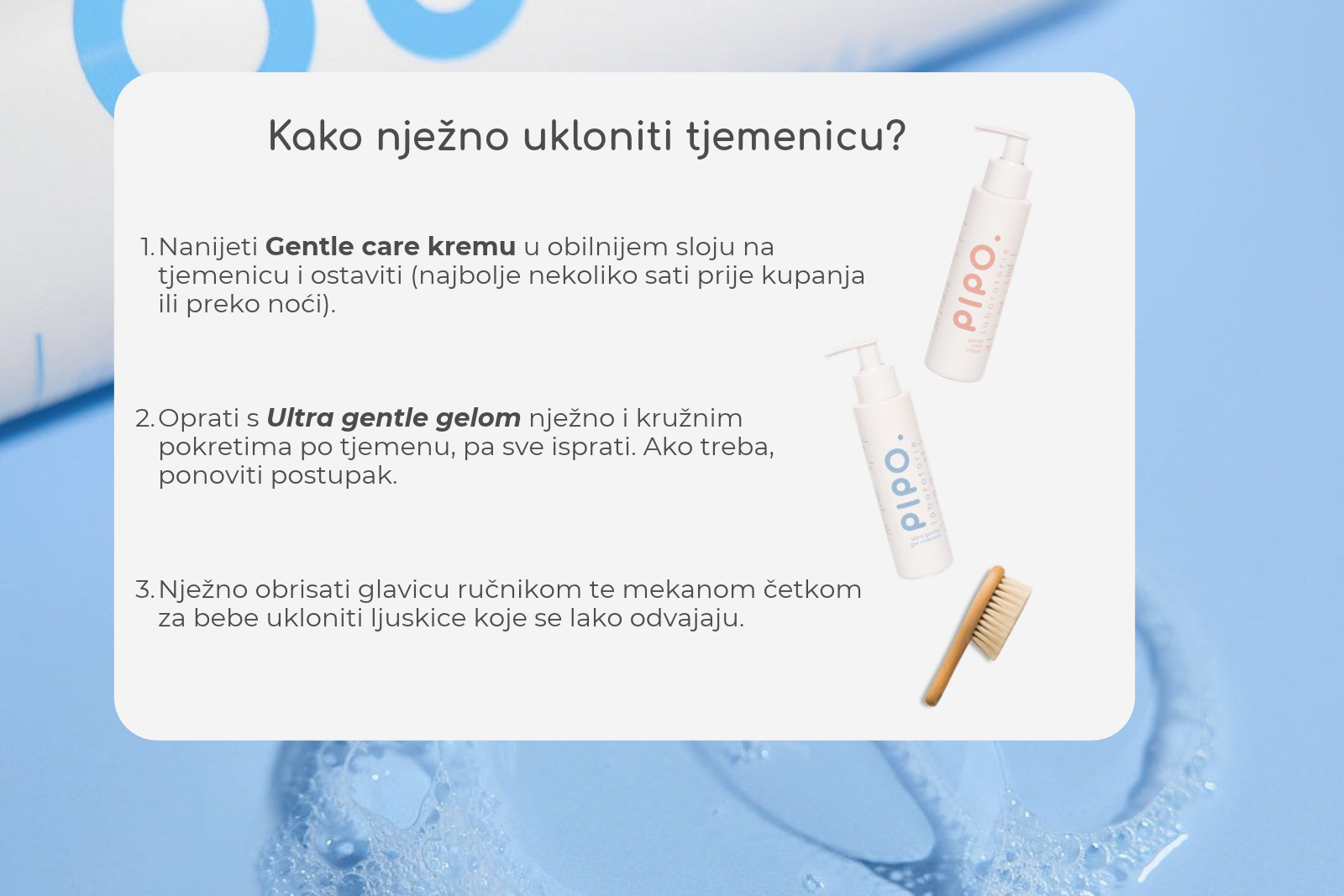
- Soften the flakes with Gentle Care cream
Before bathing, apply Gentle Care cream to the area affected by cradle cap and leave it on for some time to work (preferably a few hours before bathing or overnight).
The goal is to soften the dry and oily deposits so they can be easily detached from the skin, without harsh rubbing. Gentle Care cream will simultaneously nourish and hydrate the scalp skin.
- Gently wash the scalp with Ultra Gentle gel
During the bath, wash your baby’s head with Ultra Gentle gel, using gentle circular motions with your fingertips. Repeat the process once more if necessary.
This way, you can remove cream residue and some of the flakes that have already detached from the skin. After washing, rinse thoroughly with lukewarm water, without vigorous rubbing.
- Lightly brush away the softened flakes
After the bath, gently dry your baby’s head with a soft towel.
Then, using a soft brush designed for babies, lightly go through the hair and remove only those scales that detach easily. If some scales are still firmly attached to the skin, leave them. There is no need to try and remove them by force.
In some babies, improvement can be seen after just a few care routines, while for others, it takes more time. Cradle cap can reappear, which is also common.
Important: Never peel off scales by force!
I know the urge to remove every single scale sometimes hits, especially when it looks like it’s almost detached. But a baby’s delicate skin is very sensitive.
Picking, scratching, and scraping the scales can damage the skin surface, cause redness, and increase the risk of infection.
That’s why gradual softening and gentle removal is always better than trying to solve cradle cap in a single bath.
How to continue daily care for baby’s skin?
Even when the cradle cap clears up, it is important to continue with a simple and gentle care routine.
A baby’s skin is thinner and more sensitive than adult skin, which is why it especially benefits from care that does not include aggressive cleaning and unnecessary rubbing.
For bathing, you can continue to use Pipo Ultra Gentle gel, and after the bath, Pipo Gentle Care cream to care for and hydrate the skin of the face and body. If the skin is dry, regular application of a suitable moisturizing cream can help preserve its softness and protective barrier.
And remember, with babies, less is often actually more. Gentle, simple, and consistent care is the best starting point.
Is cradle cap dangerous for the baby?
In the vast majority of cases, no. Cradle cap is generally harmless and does not cause pain or itching. In fact, it often worries parents more than it bothers the baby itself.
Also, it is not contagious and usually resolves spontaneously during the first months of life, although it can last longer in some children.
When should you contact a pediatrician?
Although cradle cap usually doesn’t require treatment, there are situations where it’s good to seek advice from a pediatrician.
Contact a doctor if you notice:
- extreme redness, swelling, or painful skin
- sores, discharge, or an unpleasant odor
- that the changes are spreading rapidly or worsening
- that the baby’s skin is itchy, painful, or causing discomfort
- that the condition does not improve despite gentle care
The pediatrician will assess whether it is indeed cradle cap or another skin condition that requires a different approach.
Gentleness, patience, and proper care are the best allies for sensitive baby skin.
I hope these tips will help you, just as they helped me in caring for my children.
Because a baby’s skin deserves a lot of gentleness, from day one.