
Summer and sunshine bring joy, outdoor activities, vacations, and the sea—but also risks, especially for the youngest. Babies have particularly sensitive skin and weaker thermoregulation, so it is important to know how to properly protect them from UV radiation, overheating, and potential consequences like sunstroke or burns.
Below, we provide a detailed guide on when and how to expose your baby to the sun, which SPF creams to use, what to avoid, and how to recognize and react to the first signs of danger.
Why is the sun important for babies?
Sunlight has numerous benefits:
- stimulates vitamin D synthesis, which is vital for calcium absorption and bone health,
- improves mood and immunity,
- supports proper growth and development.
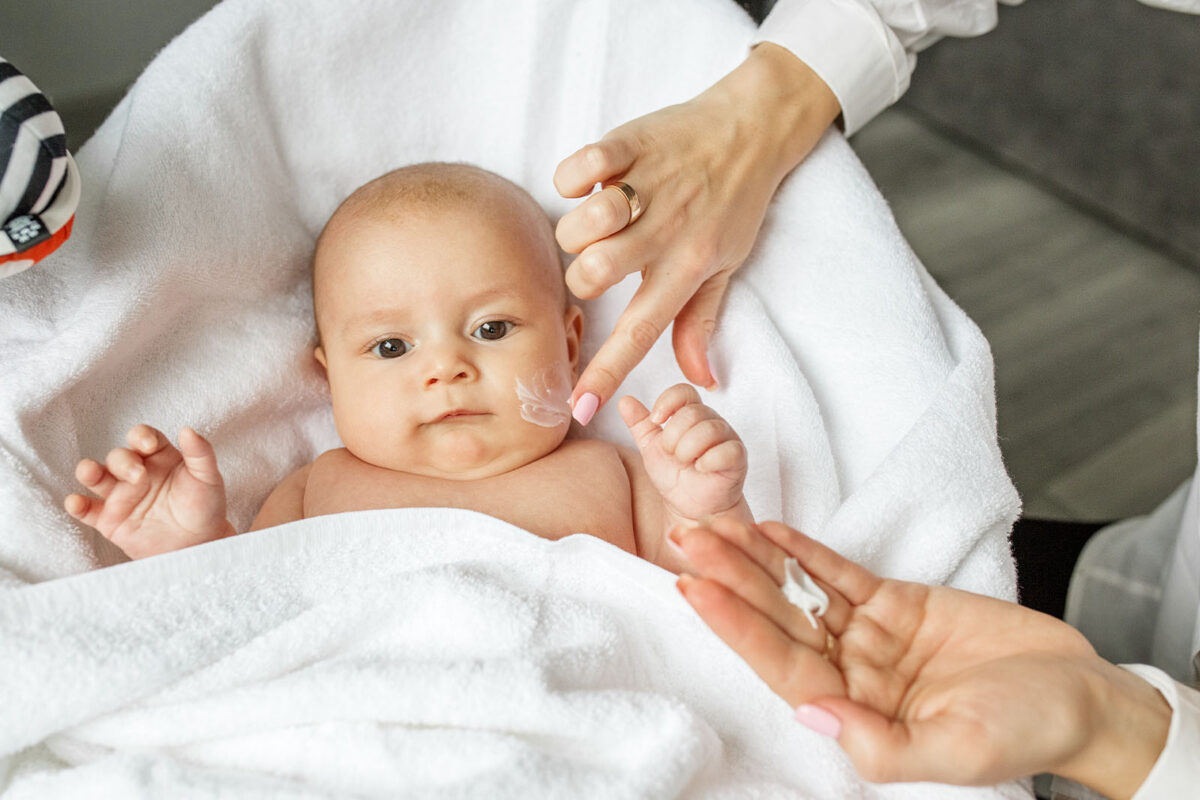
However, a baby’s delicate and immature skin is extremely sensitive to UV radiation. In children, the skin is up to 5 times thinner than in adults and contains very little melanin pigment. That is why the sun can quickly cause burns and long-term damage.
Risks of excessive sun exposure
- UV rays penetrate deeper into children’s skin and increase the risk of damage.
- One or two serious sunburns in childhood can double the risk of melanoma in adulthood.
- Even in the shade or on cloudy days, up to 95% of UV rays reach the skin.
- Sunstroke and heatstroke are more common in babies due to their undeveloped thermoregulation ability.
When and for how long can a baby be in the sun?
The ideal time for being outdoors is before 10 AM and after 5 PM. Avoid being outside between 10 AM and 4 PM when the UV index is strongest.
Exposure for vitamin D: For children older than 12 months, short-term exposure without SPF protection is recommended for 30–45 minutes, 3x a week, during safe hours (morning and late afternoon).
How to protect your baby from the sun?
For babies under 6 months:
- Direct sun exposure is not recommended.
- Protection includes:
- Wide-brimmed hats
- Lightweight cotton clothing or UPF-rated clothing
- UV protection tents on the beach
- Sunglasses
- Staying in deep shade
- SPF creams are not recommended for this age, even if the manufacturer labels them as “safe.”
For babies older than 6 months:
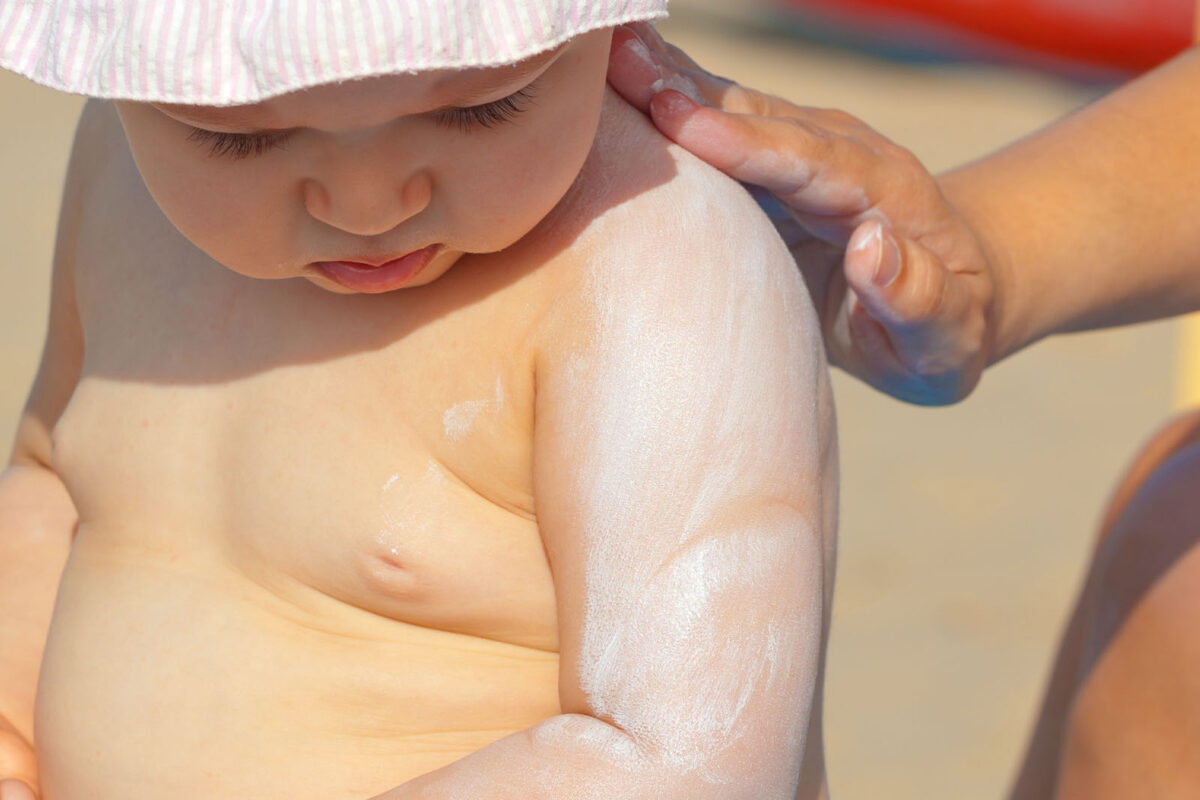
- Use SPF 30 or 50 creams with mineral filters (zinc oxide, titanium dioxide, no nano-particles).
- Apply the cream 20 minutes before going out, and then:
- Reapply every 2–3 hours
- Always reapply after swimming, sweating, or towel drying
- Don’t forget the ears, back of the neck, and nose
Additional protection measures:
- At the beach or pool, use:
- Long-sleeved shirts or swimsuits
- Hats with a brim that also protects the neck
- Sunglasses with UV protection
Which SPF creams to choose for babies?
There are many baby creams on the market, but not all are safe. Choose products with natural mineral filters, without nano-particles or fragrances.
Recommended ingredients:
- Zinc oxide
- Titanium dioxide
Learn more about which SPF creams are safe for babies on our blog here.
Tips for traveling and staying outdoors in summer
- Avoid long trips with babies under 3 months old.
- Never, not even for a minute, and not even with open windows, leave a child alone in a car. In high outdoor temperatures, the temperature in a stopped car doubles in less than 5 minutes. In a parked vehicle without air conditioning, high temperatures that the human body cannot withstand occur very quickly, and a child’s body heats up significantly faster (up to 5 times).
- Do not cover the stroller with blankets or muslin cloths – this creates a greenhouse effect and overheats the interior.
- Ensure good ventilation and keep air vents on the stroller open.
What if the baby gets sunstroke?
Sunstroke is the body’s reaction to excessive sun exposure, and you can recognize it by these symptoms: dizziness, nausea, the child feels weak, sleepy, and vomiting may occur. Small babies are irritable, cry, and look as if they have a virus.
If you suspect it, the child should:
- be moved out of the sun as soon as possible and placed in an air-conditioned, darkened room
- be showered with lukewarm water, never ice cold.
- have lost fluids replaced and be given a chilled drink, tea, or water.
- In case of significant fluid loss due to vomiting, be sure to give an oral rehydration solution (ORS).
- For fever and headache, give paracetamol or ibuprofen (consult a pharmacist or pediatrician).
What if the child is already burned, or has redness or blisters?
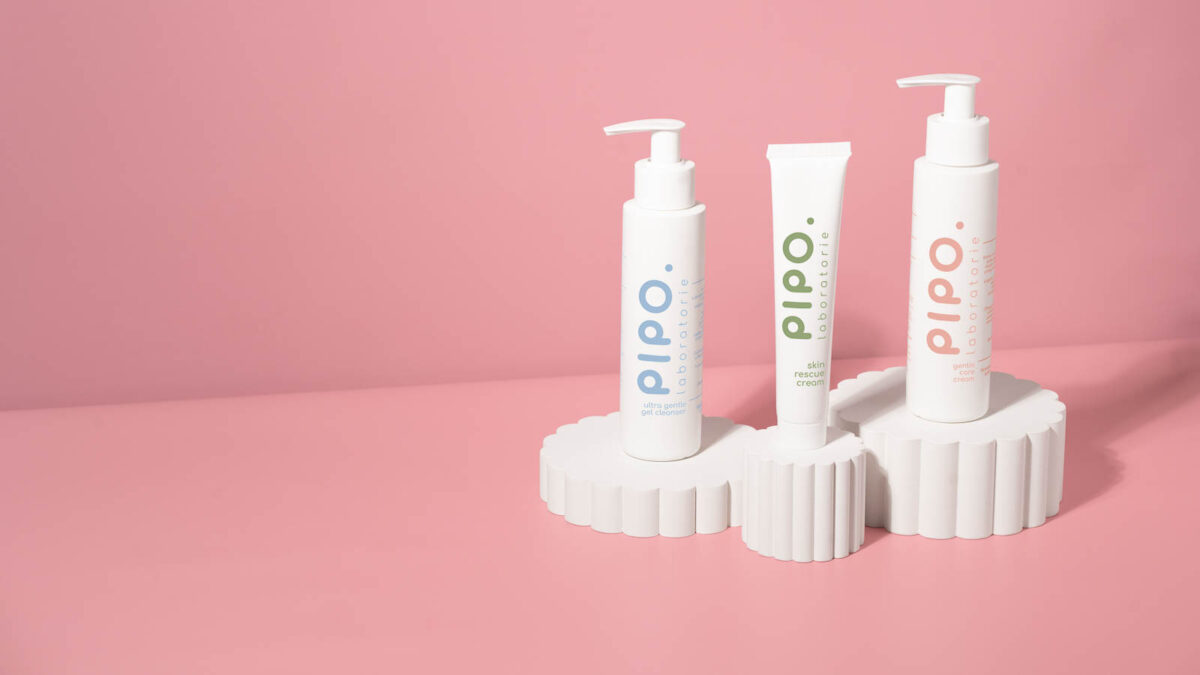
- Place the child in the shade and hydrate the skin (apply cold compresses, apply pure aloe vera gel). For additional care and skin soothing, Skin Rescue Cream can also help—a powerful formula for sensitive and reactive children’s skin, with ingredients that restore, soothe, and alleviate redness and irritation.
- Increase fluid intake.
- Avoid further sun exposure until the skin has completely healed.
- For severe burns, blistering, or symptoms like fever—contact a pediatrician immediately.
Additional Summer Skin Care
Baby skin in summer is often prone to sweating, rashes, and irritation. Proper washing is very important.
That’s why I recommend Ultra Gentle Gel Cleanser — a gentle cleansing gel without fragrance, soap, or sulfates, safe from the baby’s very first day of life.
And for daily care and deep skin hydration, I recommend Pipo Gentle Care Cream.
Summer and sun don’t have to be a source of worry, but of pleasure—if you are sure how to best protect your baby.
Prevention is key: well-informed parents can enjoy summer joys with their children worry-free, without fear of consequences. And when you are relaxed and calm, your baby feels it too and enjoys it with you.