
Young children’s skin is significantly thinner, more sensitive, and more permeable than adult skin. It also contains less melanin – the natural pigment that partially protects skin from UV radiation. This is exactly why UV rays penetrate more easily into the deeper layers of children’s skin, causing damage that can manifest as sunburn, accelerated skin aging, and, unfortunately, long-term consequences such as an increased risk of skin cancer in adulthood.
Even brief exposure without adequate protection is enough for consequences that are not easy to correct. Prevention in the early years of a child’s life is key to the long-term protection of their skin’s health.
WHAT DOES SPF TELL US?
SPF (Sun Protection Factor) is a number that tells us how long it takes to burn after applying sunscreen, compared to not applying it at all.
For example: if you can be in the sun for 10 minutes without burning, a cream with SPF 30 will extend that time 30 times – to a total of 300 minutes of protection.
SPF primarily refers to protection from UVB rays. UVA rays can also damage the skin, so it’s important to use a cream that provides “broad-spectrum” protection, meaning it protects against both UVA and UVB rays.
The difference between SPF 50 and SPF 30 in actual UVB protection is not large, but it can be significant for children with very sensitive skin or in conditions of extreme sun exposure.
SPF 50 blocks about 98% of UV radiation, SPF 30 blocks about 97%. In practice, it has been shown that people often apply too little, which reduces the effectiveness of protection. This is exactly why it’s generally better to choose a higher SPF to be sure we’ve adequately protected the skin. That’s why the most important thing is to apply the cream in sufficient quantity and correctly, and to reapply it regularly.

Protection starts with your choice – choose your SPF cream carefully
It’s very important to pay attention to the ingredients we apply to babies’ and children’s skin, as well as to ourselves (especially if you’re pregnant or breastfeeding).
Many sun protection products contain chemicals that can be absorbed into the body and potentially cause health problems. That’s why it’s important to choose products carefully, check ingredients, and stay informed about their long-term health effects. Some chemical ingredients can cause irritation, allergic reactions, or act as endocrine disruptors.
Using SPF products from trusted and certified brands is very important for ensuring effective skin protection. Trusted brands subject their products to rigorous testing and adhere to strict regulations, providing the declared protection. The process of proving a specific SPF is lengthy and very expensive.
Mineral SPF Filters – A Safe Option for Children’s Skin
The US FDA has recognized two ingredients as safe for use in children and pregnant women:
- Zinc Oxide
- Titanium Dioxide
These mineral filters work by staying on the surface of the skin and mechanically reflecting UV rays like a mirror. They don’t penetrate the skin, aren’t absorbed into the body, and therefore don’t cause systemic reactions.
Although such creams are often thicker and harder to spread, that’s a sign of their effectiveness – the particles arrange themselves on the skin as a protective barrier. They work immediately upon application, with no need to wait.
It’s important to apply them well and evenly. Precisely because they don’t enter the body, they represent a far healthier sun protection option. Caution: Avoid spray SPF (aerosol) due to the danger of inhalation and harmful effects.
Benefits of mineral SPF creams?
- They work immediately after application to the skin, with no need to wait half an hour before going out in the sun.
- Ideal for sensitive children’s skin and skin prone to allergic reactions.
- They have no effect on the hormonal system, unlike some chemical filters.
- They provide protection from both UVA and UVB rays (zinc oxide)
- They are the safest choice for children, pregnant women, breastfeeding mothers, and all people with very sensitive skin.
Why avoid nano particles in mineral filters?
Although mineral filters are the best option, many such SPF products contain nano particles (nano zinc oxide or nano titanium dioxide). Manufacturers do this to improve the spreadability of creams. However, we still don’t have enough studies showing how they penetrate the skin. Potential absorption through the skin into the bloodstream is possible, and with it potentially harmful effects on the body.
Also, if there is any skin damage (e.g., wounds, eczema, atopic dermatitis), nano particles could penetrate through such damaged skin. That’s why you should always choose mineral filters without nano particles – they stay on the skin’s surface and don’t enter the body.
How to recognize nano particles?
If the ingredient list says “nano” next to “zinc oxide” or “titanium dioxide,” it’s nano particles (e.g., zinc oxide (nano)).

Why I don’t recommend chemical filters?
Chemical filters penetrate the skin and block harmful UV rays after being absorbed into the skin. There’s a lot of controversy around them, and more and more of them are on the risk list for causing hormonal changes in the body. They can also cause irritation, allergic reactions, and other health problems. They’re also harmful to the marine ecosystem.
Some of these are:
- Octocrylene
- Oxybenzone
- Homosalate
- Avobenzone
- Octinoxate
- Octisalate
The European Commission and the FDA have already launched a review of their safety and recommended reducing the permitted concentrations in SPF products.
According to FDA studies, ingredients like oxybenzone, octinoxate, octisalate, octocrylene, homosalate, and avobenzone are absorbed into the body after use and can be detected on the skin and in the blood for weeks after application.
For babies under 6 months – no SPF!
Newborn skin is especially sensitive, and applying SPF creams is not recommended. Instead, protection is based on:
- avoiding direct sun
- avoiding being outside from 10 AM to 5 PM
- using lightweight cotton clothing,
- wide-brimmed hats,
- staying in deep shade
Even if a manufacturer claims the cream is safe for newborns, expert recommendations are clear: SPF should not be applied to babies under 6 months.
How to properly use SPF cream?
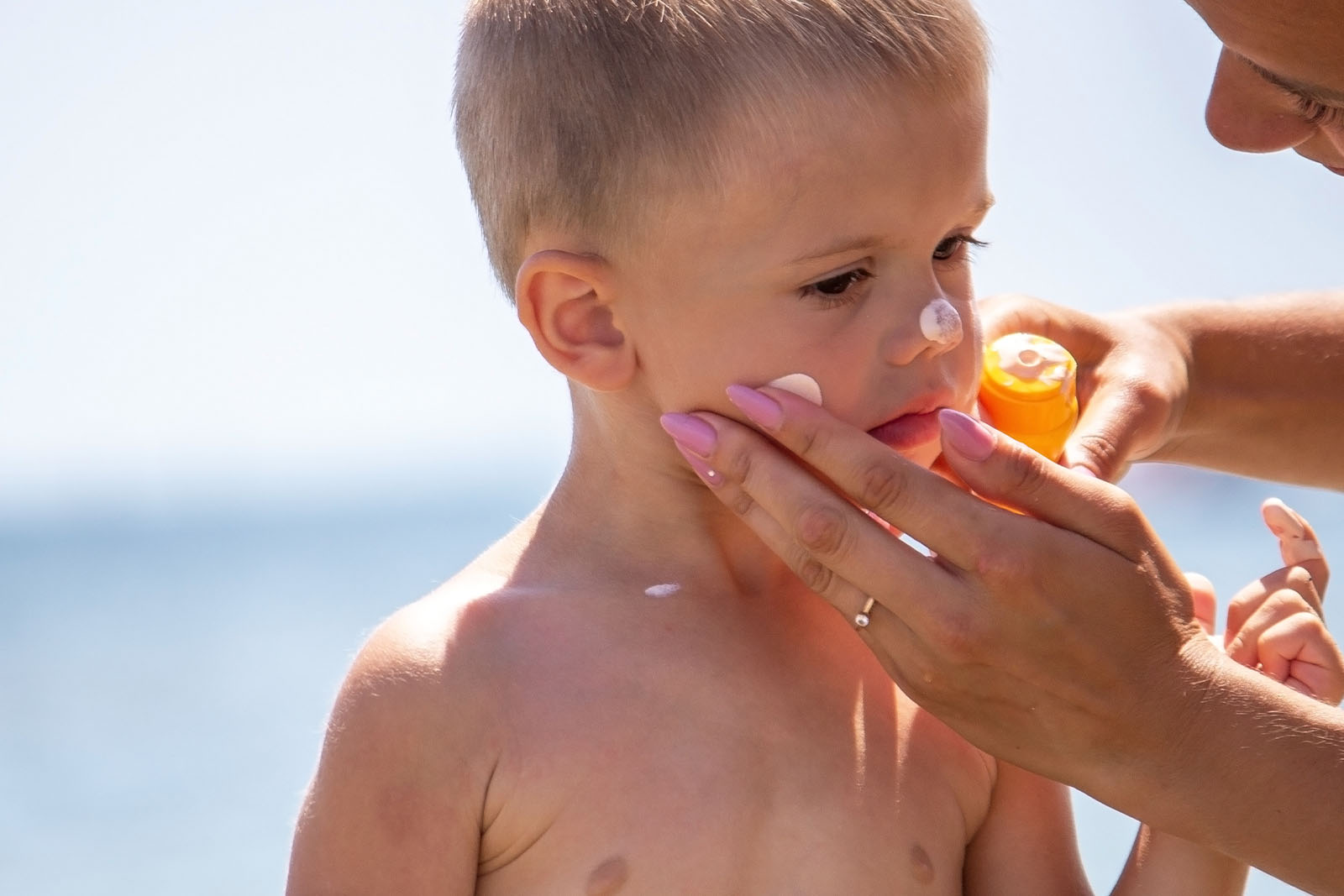
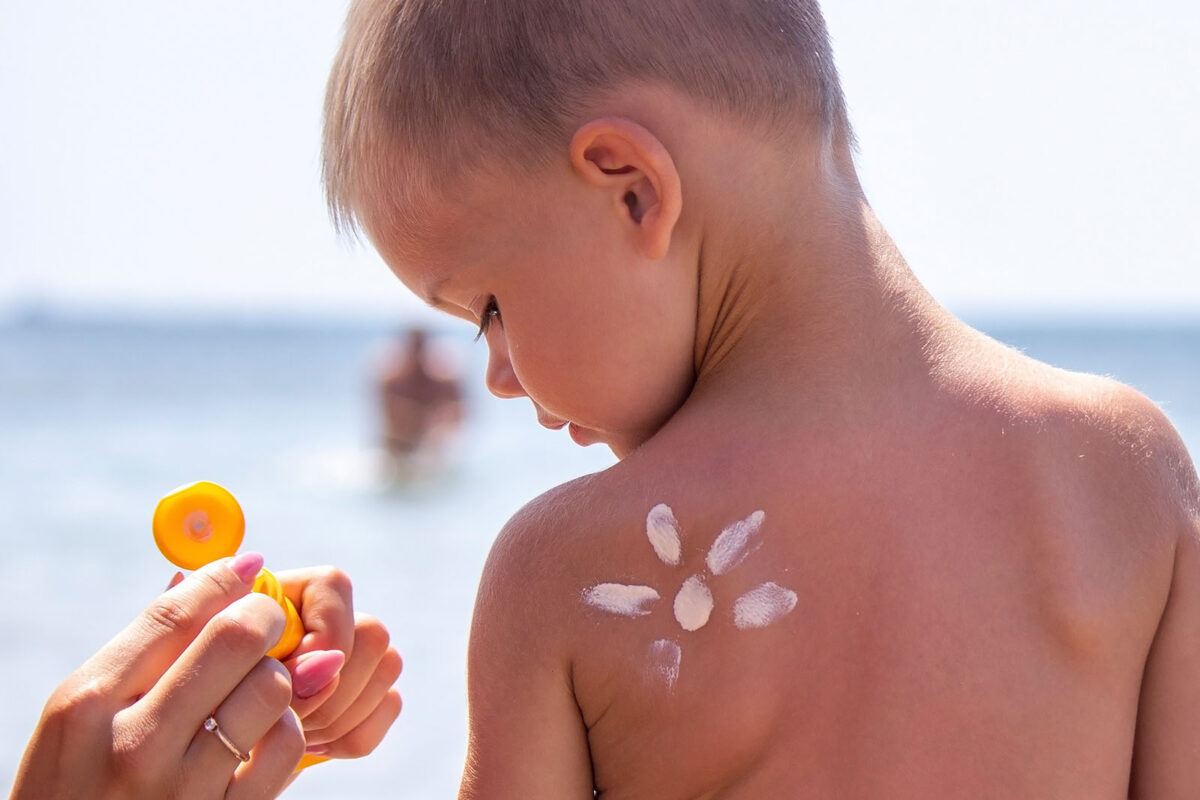
- Apply a sufficient amount – 2 mg per cm² of skin (about the size of one teaspoon for the face).
- Reapply every 2 hours, especially after swimming, towel drying, sweating, or lying on a towel – even if the cream is labeled “water-resistant.”
- Avoid spray SPF due to the danger of inhaling nano particles.
How and with what to remove SPF from the skin?
After a day spent in the sun, it’s important to thoroughly but gently cleanse the skin:
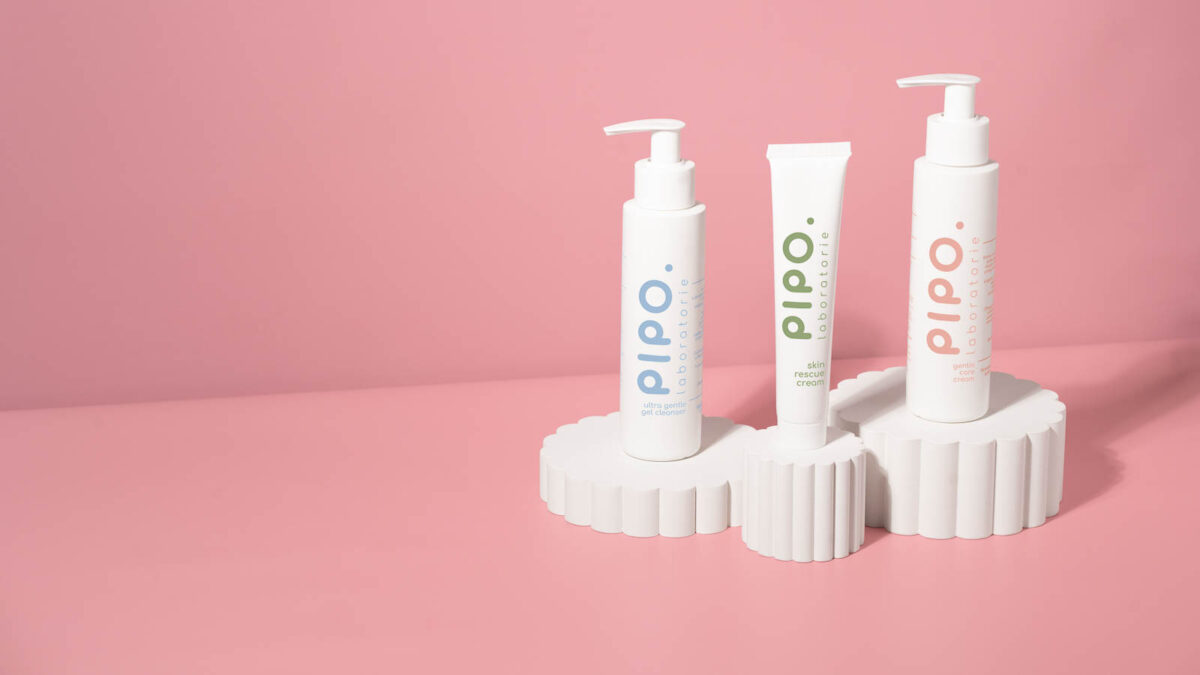
- Use a gentle gel cleanser like our Pipo Ultra Gentle gel cleanser (if SPF is used, I recommend applying the gel twice and rinsing).
- oil cleanser – but not pure vegetable oil.
How often should you reapply SPF cream?
If you’re at the beach or spending the day outside:
- Reapply SPF every 2 hours.
- Reapply after swimming, towel drying, lying down, or sweating – even if the cream is labeled “water-resistant.”
- If you’re at the beach, SPF needs to be reapplied in the full recommended amount at least every 2 hours or after every swim, towel drying, lying down, and sweating (regardless of the cream being labeled water-resistant).
Children with atopic dermatitis – special caution
Extra care is needed for children prone to atopic dermatitis. Even some mineral SPFs can dry out the skin (e.g., high zinc oxide content). Also, fragrances and additional ingredients can trigger a reaction. Still, the good news is that the sun helps many people with atopic dermatitis – skin condition often improves in the summer.
Trusted and safe mineral SPF creams (without nano particles):
Madara – Ecocert https://www.ecco-verde.com/madara/plant-stem-cell-antioxidant-body-sunscreen-spf-30
Biosolis – Ecocert https://www.ecco-verde.hr/biosolis/kids-mlijeko-za-suncanje-spf-50
Badger – USDA Certified Organic https://www.ecco-verde.hr/badger-balm/baby-sunscreen-cream-chamomile-spf-30
Alphanova – Ecocert https://alphanova.com.hr/proizvodi/alphanova-sun-baby-mlijeko-spf50-125g/
Suntribe – Soil Association / Cosmos Organic https://www.ecco-verde.hr/suntribe/kids-mineral-sunscreen-spf-30
TIP: Always before first use test the product by applying a small amount to the inside of your forearm. If there’s no reaction within 24 hours, you can continue using the cream.
Protecting children’s skin doesn’t start at the beach, but in carefully reading labels and staying informed. At Pipo Laboratorie, we believe that parent education and safe product formulation go hand in hand. That’s why we create products that are gentle, safe, and effective – just as your children deserve.