

Article written by: Maja Dolovčak, M.Pharm.
Wet wraps (so-called wet-wrap therapy) are one of the methods for caring for and alleviating symptoms of atopic dermatitis, especially during acute flare-ups when the skin is extremely dry, irritated, and prone to intense itching.
They are used for intense skin hydration, soothing itchiness and redness, and preventing scratching and additional skin damage. Their effectiveness is also supported by clinical research.
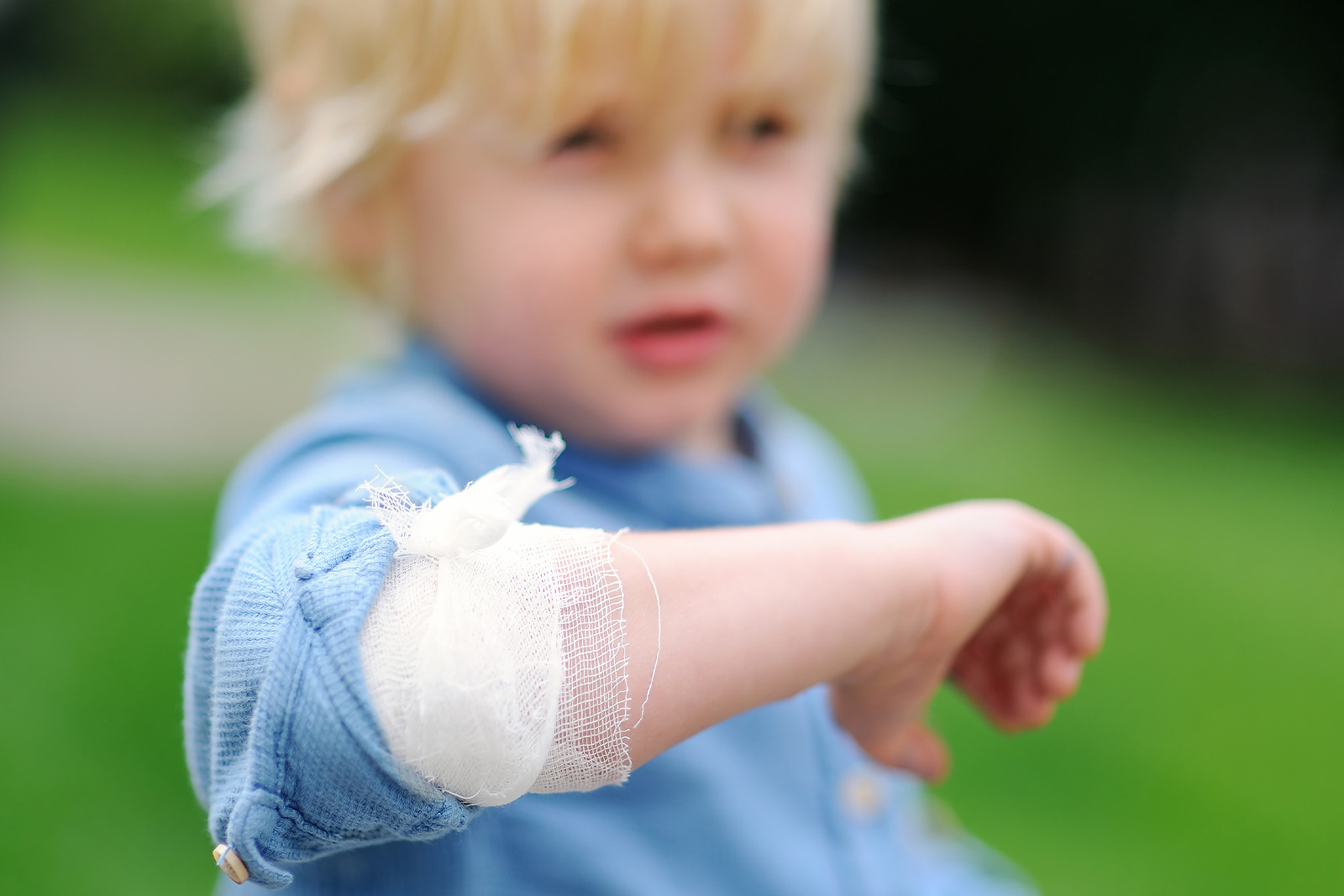
This method can be particularly useful for babies and young children who constantly scratch due to uncomfortable itching, especially during the night, sometimes so intensely that they scratch their skin until it bleeds. Wet wraps can also help adults struggling with extremely dry skin, severe itching, and eczema.
When atopic dermatitis worsens to the point where standard care no longer provides enough relief, the itching becomes almost unbearable, and a peaceful night’s sleep is hard to achieve, wet-wrap therapy can be a useful additional method for calming acute symptoms.
Wet wraps can be applied alongside moisturizing creams, such as Pipo Gentle Care or Skin Rescue Cream, to further support hydration and care for the skin’s protective barrier. However, the frequency and duration of application must be adjusted to the skin’s condition, especially in babies and young children.
The main purpose of wet wraps is to lock moisture into the skin, reduce water loss, soothe itching, and improve the action of products applied under the wraps.
The choice of product applied to the skin before placing the wraps is also important. A formulation that helps restore the skin’s protective barrier, provides intense hydration, and supports its natural balance can contribute to better care results.
Why can wet-wrap therapy help?
One of the main problems with atopic dermatitis is a compromised skin barrier function, which leads to increased transepidermal water loss (TEWL).
Simply put, atopic skin has a hard time retaining moisture, which causes it to become dry, sensitive, irritated, and prone to itching. Wet-wrap therapy addresses this exact problem. The wet layer helps create an environment that slows down water loss from the skin, hydrates its surface layers, and provides a pleasant cooling sensation at the same time.
The cooling effect is especially important for intense itching, which often worsens due to heat, sweating, or during the night. Wet wraps can thus help soothe the uncomfortable itchy feeling and reduce the urge to scratch.
Another important mechanism of their action is improved absorption of products applied to the skin. The occlusive effect of the wraps can increase the penetration of product ingredients into the skin, making moisturizing care more effective than when the cream is applied without covering. That’s why it’s important to choose an appropriate moisturizing cream that suits the needs of sensitive and atopic skin.
When to use wet wraps, and when to avoid them?
Wet-wrap therapy is most commonly recommended during moderate to severe flare-ups of atopic dermatitis, especially when the skin is visibly inflamed, extremely dry, red, and irritated, and the itching is so intense that it interferes with daily activities and sleep.
In children, wet wraps can be particularly useful because they create a physical barrier between nails and skin, thus reducing the possibility of scratching during the night.
In adults, nighttime application of wet wraps can help break the vicious cycle of itching, scratching, and additional skin damage, giving the skin a chance to gradually calm down and recover.
Although wet wraps can be used with moisturizing creams, they are not intended for unlimited, daily, long-term use without professional advice. Special caution is needed if there are signs of infection on the skin, such as weeping, yellowish crusts, spreading redness, increased pain, or pronounced skin warmth. In such cases, it is necessary to seek a doctor’s advice before applying wet wraps.
How to properly use wet wraps at home?
The process of applying wet wraps is simple, but it is important to follow the correct order to make the care as effective and comfortable for the skin as possible.
1. Gently cleanse the skin
Before applying wet wraps, wash the skin with a gentle cleansing gel, such as Pipo Ultra Gentle Gel. After washing, lightly pat the skin dry with a soft towel, without rubbing or further irritating it. It is important that the skin remains slightly damp.
2. Apply moisturizing cream
Apply a generous layer of Pipo Gentle Care or Skin Rescue Cream to clean, still slightly damp skin.
Gently spread the cream over the affected area without rubbing it in forcefully. The moisturizing cream helps replenish moisture and support the skin’s protective barrier, while the wet wrap contributes to longer moisture retention.
3. Apply the wet layer
Moisten a sterile gauze or compress with saline solution.
The gauze should be damp enough, but not so wet that liquid drips from it. Gently place the moistened gauze over the area affected by eczema. For moistening the wrap, it is best to use saline solution (hydrosols or thermal water can also be used).
4. Apply the dry layer
Place a dry bandage over the wet gauze to keep the wet layer in place.
A Tubifast elastic tubular bandage is practical for this purpose, as it is easy to apply and can help the wrap stay stable during movement or sleep. The dry layer should be comfortable, breathable, and loose enough not to constrict the skin.
5. How long to keep the wet wraps on?
Wet wraps can be applied for a shorter period, for example 2-3 hours, but it would be optimal to leave them on overnight, for approximately 8-10 hours.
The duration of application needs to be adjusted to the person’s age, skin condition, tolerance of the therapy, and the doctor’s recommendation. In children, it is particularly important to monitor how the skin reacts to the wraps and ensure they are not cold or uncomfortable.
If the inner layer dries out during application, you can re-moisten it with saline solution as needed. The wet gauze should remain damp but must not be soaked to the point where liquid drips from it.
6. Re-moisturize the skin after removing the wraps
After removing the wet wraps, reapply a moisturizing cream to the skin, such as Pipo Gentle Care or Skin Rescue Cream. This way, you continue to nourish the skin and help it retain moisture after the therapy is finished.
Why is it best to apply wet wraps in the evening?
Evening application of wet wraps is often particularly practical, especially for children with atopic dermatitis.
After an evening shower or bath, the skin is prepared for the application of moisturizing cream, and the applied wraps can help reduce scratching during the night. For many children, itching is most pronounced in the evening and during sleep, which is why they often wake up, sleep restlessly, or unconsciously scratch their skin.
Wet wraps create a protective layer that makes direct scratching of the skin difficult, while also helping to maintain its hydration. Skin regeneration processes are active even during sleep, so calming the itching and reducing scratching can contribute to better sleep quality and skin recovery.
On which parts of the body can wet wraps be used?
Wet wraps can be used on various parts of the body affected by atopic dermatitis, with adjustments to the type of wrap and method of application.
If the eczema is located on the arms or legs, soft cotton gloves or cotton socks, previously moistened with water or saline solution, can be used for the wet layer. A dry layer is placed over them, for example, another pair of dry cotton gloves or socks. For larger areas of the body, cotton clothing or appropriate tubular bandages can be used.
It is important that the materials are gentle on the skin, clean, and do not cause additional friction or discomfort.
Wet wraps and corticosteroids: what to watch out for?
Wet-wrap therapy can also be used as an additional treatment method during the application of topical corticosteroids prescribed by a doctor. However, in that case, special caution is required.
Under occlusion, i.e., under the wrap, the absorption and effect of corticosteroids can be significantly increased. Because of this, topical corticosteroids should only be used under wet wraps according to instructions and under a doctor’s supervision.
When wet wraps are combined with corticosteroids, they are applied for a limited period, as often and as long as the doctor recommends. Increasing the frequency of application or extending the duration of therapy on your own is not recommended, especially in babies and children.
Conclusion
Wet-wrap therapy can be a valuable addition to the care of skin prone to atopic dermatitis, especially during periods of intense itching, dryness, and eczema flare-ups.
With proper application, it can help retain moisture, reduce itching, protect the skin from scratching, and improve the effect of moisturizing care.
It can be particularly useful for parents whose children scratch constantly during the night and have difficulty sleeping because of it.
To achieve the best results, proper wrapping technique, appropriate duration of application, and the choice of products that meet the needs of sensitive atopic skin are important.
Pipo Gentle Care and Skin Rescue creams can be part of the moisturizing care applied before placing wet wraps and after their removal.
However, wet wraps are not a substitute for treatment recommended by a doctor, and in cases of severe flare-ups, suspected infection, or application in young children, it is necessary to seek professional advice beforehand.
Frequently Asked Questions about Wet Wraps
Do wet wraps help with atopic dermatitis?
Yes, wet-wrap therapy can help alleviate itching, dryness, and skin inflammation in atopic dermatitis. It is especially used during more severe flare-ups when standard moisturizing care is not enough.
Can wet wraps be used on babies?
Wet wraps can also be applied to babies with atopic dermatitis, but only with a prior recommendation from a pediatrician or dermatologist. It is important to correctly choose the products, materials, and duration of application.
How long should wet wraps stay on the skin?
Wet wraps can be kept on for several hours, ideally overnight (optimally 8–10 hours). The duration of application depends on the skin condition, the child’s age, and the doctor’s recommendation.
Which cream to use under wet wraps?
A moisturizing cream or emollient intended for sensitive and atopic skin is most commonly applied under wet wraps. It is important to choose a product that the skin tolerates well and that is suitable for such application.
Can wet wraps be used every day?
Wet wraps are most commonly used for a short time during atopic dermatitis flare-ups. Daily or longer-term application should be coordinated with a doctor’s recommendation, especially in children.
Can wet wraps be used together with corticosteroids?
Yes, but exclusively according to a doctor’s instructions. Wet wraps can increase the absorption of topical corticosteroids, which is why special caution is required.
Literature and Sources
¹ National Institute of Allergy and Infectious Diseases (NIAID). (2017). Wet Wrap Therapy for Severe Eczema. NIH Clinical Center Research, 2012–2017.
https://www.niaid.nih.gov/diseases-conditions/wet-wrap-therapy
² Boguniewicz, M., Nicol, N., Klinnert, M. et al. (2014). Wet wrap therapy in children with moderate to severe atopic dermatitis. The Journal of Allergy and Clinical Immunology: In Practice, 2(4), 400–406.
https://www.sciencedirect.com/science/article/abs/pii/S2213219814001154
³ Datting, J., Oranje, A. P. et al. (2016). Efficacy and safety of wet wrap therapy for patients with atopic dermatitis: a systematic review and meta-analysis. Journal of the European Academy of Dermatology and Venereology.


